Launching a product without testing demand is one of the fastest ways to waste time, money, and trust.
Many creators spend weeks building an ebook, course, or coaching offer before they know whether anyone actually wants it. By the time they realize the idea is not landing, they have already invested too much to walk away easily.
The challenge is not a lack of ideas. It is knowing which idea people are genuinely willing to pay for.
That is why demand testing matters. Instead of relying on assumptions, creators can use real audience signals such as clicks, sign-ups, waitlists, replies, and pre-orders to understand whether a product is worth building before spending months creating it.
In this guide, we will break down 7 practical ways to test product demand and see whether your audience is willing to pay for it. Let's explore!
What Does “Testing Demand” Actually Mean?
Testing demand is the process of finding out whether people are genuinely interested in a product before you spend time building it.
Many creators approach validation the wrong way by asking simple questions like, “Would you buy this?” or “Do you think this is a good idea?” The problem is that people often respond politely or supportively, especially if they already follow your content. A positive comment does not necessarily mean someone is willing to pay.
That is why opinions are weak signals, while actions are much stronger ones.
Real demand becomes visible when people take action. They click on a link, join a waitlist, reply to a post, sign up for early access, pre-order the product, or spend money. These behaviors are far more valuable than compliments because they show that the problem feels important enough for someone to do something about it.
There are many ways to test demand before building a product. Some creators talk directly to their audience through DMs, calls, surveys, or polls. Others create landing pages, run small paid ads, test different content topics, or offer a pre-sale before the product exists.
The goal is not simply to find out whether an idea sounds interesting. The goal is to understand whether the product solves a real problem and whether people care enough to take meaningful action.

Look for ways to monetize your knowledge and influence? Check out this article: Best Digital Products to Sell for Creators in 2026
Most creators do not ignore demand testing because they think it is unimportant. They skip it because building often feels more productive than validating.
Researching an audience, running a small test, or asking difficult questions about an idea can feel slow. Writing the ebook outline, designing the sales page, or recording the first module feels like progress. The problem is that creators often confuse activity with momentum.
Positive Feedback Can Be Misleading
One of the biggest reasons creators skip validation is because they receive encouraging responses early on.
Friends say the idea sounds great. Followers leave comments saying they would love it. Other creators say they would buy something like that.
However, positive feedback is not the same as demand.
People are usually generous with compliments because there is no cost attached to saying yes. The real question is not whether someone likes the idea. The real question is whether they are interested enough to click, sign up, join a waitlist, or pay for it.
Many Creators Assume They Already Know Their Audience
Creators who spend a lot of time with their audience often believe they already understand what people want.
Sometimes that is true. In many cases, however, there is a gap between what an audience enjoys consuming for free and what they are willing to pay for.
For example, a creator may get strong engagement on motivational content, but that does not necessarily mean people want to buy a course on mindset. On the other hand, a simple tutorial solving a specific problem may generate less engagement while having much stronger purchase intent.
Bigger Products Often Feel Safer
Another reason creators skip validation is because they believe broader products will appeal to more people.
That is why so many creators build products such as “The Complete Guide to Content Marketing” or “Everything You Need to Know About Freelancing.” These offers sound valuable because they contain a lot of information.
In practice, however, buyers are usually more interested in narrow outcomes and specific results. A product promising “How to Get Your First 5 Freelance Clients in 30 Days” often feels more urgent, easier to understand, and more worth paying for.
Once the Building Starts, It Becomes Hard to Stop
The longer creators spend building, the harder it becomes to step back and question whether the idea is worth pursuing.
After investing time into writing, filming, editing, designing, or branding, many creators keep going simply because they do not want that work to feel wasted. This is one reason failed launches become so expensive. By the time the creator realizes there is not enough demand, they have already committed too much time and energy to walk away easily.

7 Ways to Test Demand Before You Build
There is no single “correct” way to test demand. The best method depends on the type of product you want to create, the size of your audience, and how much time or budget you are willing to invest.
The important thing is to start looking for real signals before you begin building. Even a small amount of validation can help you avoid weeks of unnecessary work.
#1. Talk to Your Audience Directly
One of the fastest ways to understand demand is to speak directly with the people you want to serve.
This does not require formal market research or long interviews. You can learn a lot through DMs, comments, polls, surveys, short calls, or even conversations in online communities.
The key is to ask about pain points, frustrations, and goals rather than asking whether someone likes your idea.
For example, instead of asking, “Would you buy a course about LinkedIn?” you could ask:
- What is the hardest part about getting clients through LinkedIn?
- What have you already tried?
- What would make the biggest difference for you right now?
The more specific the problem sounds, the easier it becomes to identify what type of product people may actually want.

#2. Look at What People Are Already Searching For
Strong product ideas are often connected to problems people are already trying to solve. Search demand can help you understand whether there is existing interest around a topic before you build anything. You can look at:
- Search volume in tools such as Google Keyword Planner or Ahrefs
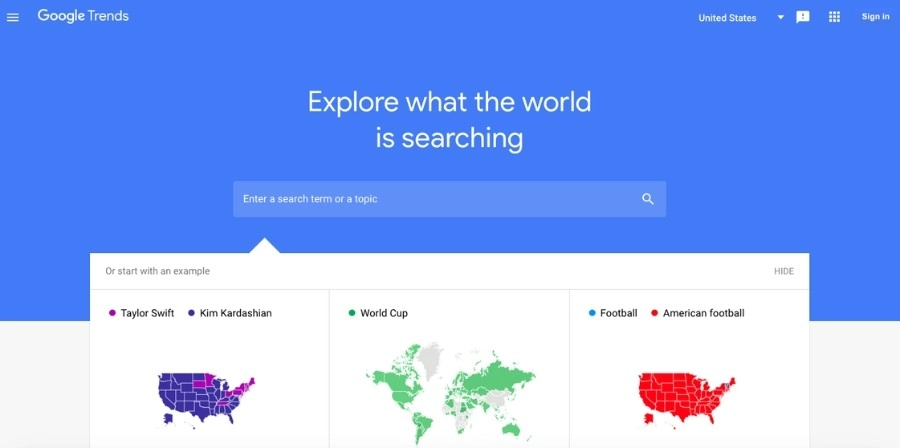
- Trends in Google Trends
- Questions people ask on Reddit, Quora, or Facebook groups
- YouTube comments and content performance
- Competitor products and the language customers use in reviews
If people are actively searching for a problem, discussing it, and looking for solutions, there is a higher chance that demand already exists.
#3. Create a Simple Landing Page
A landing page is one of the easiest ways to test demand before creating the actual product.
You do not need a complete website or a polished sales funnel. A simple page with a clear promise, a short description of the offer, and one call to action is enough.
The goal is to see whether people are interested enough to do something, such as:
- Join a waitlist
- Sign up for early access
- Book a call
- Leave their email
- Request more information
If people are willing to take that step, it is often a strong sign that the topic is worth exploring further.
#4. Run Small Paid Ads
Running a small paid ad campaign is one of the fastest ways to test whether people are interested in an idea.
You do not need a large budget to do this. Even spending $50 to $100 on a few ad variations can help you understand which angle, promise, or outcome gets the strongest response.
For example, you might test two versions of the same idea:
- “Learn LinkedIn Marketing From A to Z”
- “Get Your First 5 LinkedIn Clients in 30 Days”
If one version gets significantly more clicks, sign-ups, or waitlist joins, that is a strong signal that the messaging is more compelling.
Paid ads are especially useful because they give you measurable data quickly. Instead of relying on opinions, you can compare click-through rates, cost per signup, landing page conversion rates, and audience reactions.
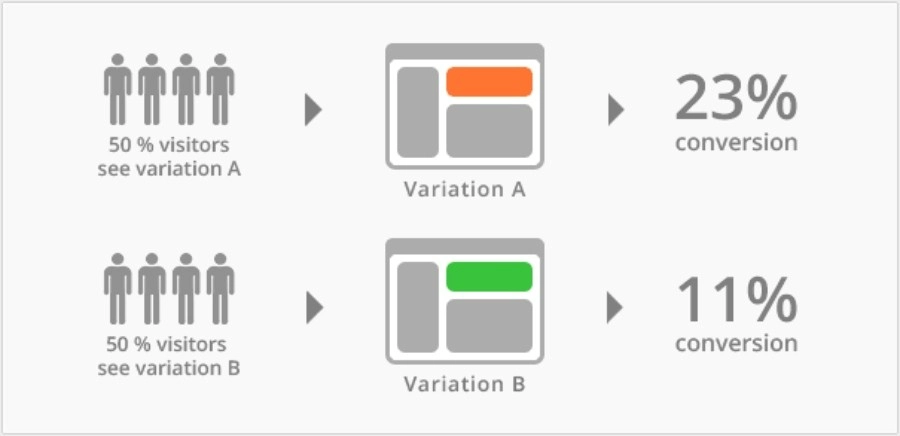
Running a small A/B ad campaign to test whether people are interested in an idea
#5. Test the Topic With Free Content
One of the most practical ways to test demand is to create free content around the topic before building a product.
This approach works particularly well for creators who already have an audience on platforms such as TikTok, YouTube, Instagram, LinkedIn, or X. Instead of asking people what they want, you can observe which topics naturally generate stronger reactions.
For example, you might publish:
- A short post sharing a framework
- A video explaining a common mistake
- A carousel breaking down a process
- A poll asking about a pain point
- A post teasing a possible product idea
Then, pay attention to signals such as comments, saves, shares, DMs, watch time, and questions people ask afterward.
Creators with larger audiences often use this method because it allows them to validate ideas directly through audience behavior. In fact, some surveys found that creators with 50K to 100K followers were more likely to test ideas through free content than through search trends or competitor research. As creators become more established, they rely less on outside market signals and more on their own audience as a source of validation.
#6. Pre-Sell Before You Build
Pre-selling is one of the strongest forms of validation because it measures willingness to pay rather than general interest.
Instead of spending months building a product and hoping people buy it later, you offer early access before the full product exists. This could mean opening a waitlist, offering discounted founding member pricing, selling a beta version, or allowing people to reserve a spot in advance.
If people are willing to spend money before the product is finished, it is usually a strong sign that the demand is real.
Pre-selling also reduces risk because it gives creators proof before they commit fully. Rather than investing weeks into recording, editing, designing, or building a complete offer, they can confirm that the market actually wants it first.
This is especially important because many creators already struggle with limited time and operational overload. Recent creator economy research found that more than half of a creator’s time is spent on distribution, marketing, and administrative tasks rather than content creation itself. Avoiding the wrong product idea can save a huge amount of wasted effort.
#7. Compare Multiple Ideas Before Choosing One
Many creators make the mistake of testing only one idea at a time. The problem with this approach is that it can be difficult to tell whether the idea is genuinely strong or simply the only option being presented.
Comparing multiple ideas often leads to clearer answers.
Instead of asking people whether they like a product idea, ask them to choose between two or three specific options. This forces people to reveal what feels most urgent, most valuable, or most relevant to them.
For example, instead of asking:
- Would you buy a course about LinkedIn?
You could ask:
- Which product would help you more right now?
- How to get your first five clients through LinkedIn
- How to build a personal brand on LinkedIn
- How to automate LinkedIn outreach
This type of comparison gives creators much better information because it shows not only what people are interested in, but also what they prioritize.
It is also one of the fastest ways to narrow a broad area of expertise into a more focused product concept. A creator may know they want to build something around marketing, freelancing, fitness, or productivity, but comparing different angles makes it easier to identify the problem people are most eager to solve.
For creators with a larger audience, this can be done through polls, email replies, waitlists, or simple content tests. For creators who are still early, even a small number of conversations can be enough to reveal which idea gets the strongest reaction.
What Strong Validation Signals Actually Look Like
Not every positive response is a sign of real demand. Many creators receive encouraging comments, likes, or compliments that make an idea feel promising, only to realize later that very few people are willing to take action.
Strong validation usually comes from behavior, not enthusiasm.
People Take Action Without Being Asked Twice
One of the clearest signs of demand is when people take the next step quickly.
They click on the link, join the waitlist, reply to the email, book the call, or ask where they can sign up. If people are willing to act without a lot of convincing, it is often a sign that the problem feels urgent.
The Same Problem Keeps Coming Up
A strong product idea is usually connected to a pain point that appears repeatedly.
If multiple people are asking similar questions, describing the same frustration, or struggling with the same outcome, that is often more valuable than a single person saying they would buy.
Repeated patterns matter because they show that the problem is not isolated.
People Ask for More Details
When demand is real, people often want more information before the product even exists.
They ask questions such as:
- When is this launching?
- How much will it cost?
- Will there be a beginner version?
- Can I join early?
- Will you cover this specific problem too?
Questions like these show that people are already imagining themselves buying or using the product.
Some People Are Willing to Pay Early
The strongest validation signal is willingness to pay.
A waitlist signup is useful. A DM asking for more information is useful. But someone putting down money for early access, a beta version, or a pre-order is much more meaningful because it shows real commitment.
That is why pre-sales are often considered the highest-quality signal when testing demand.

Pre-sales are often considered the highest-quality signal when testing demand
Read more: How to Create an Online Course: A Step-by-Step Guide
How SprouX Helps Creators Test Demand Faster
One of the biggest challenges with demand testing is knowing where to start. Many creators have too many ideas, too many directions, and no clear way to figure out which one is worth building.
SprouX is designed to make that process easier.
Instead of jumping straight into production, creators can use SprouX to refine broad ideas into more focused product concepts. A vague idea such as “I want to teach marketing” becomes something more specific, outcome-driven, and easier to validate.
Once the idea is clearer, SprouX helps creators test whether there is real demand behind it. Rather than relying on assumptions, creators can compare concepts, measure audience signals, and identify which topics generate the strongest interest before they spend weeks building anything.
SprouX also goes beyond validation. After creators identify an idea worth pursuing, the platform helps them move into the next stages of launch, including building a pre-sell campaign, collecting early demand, and creating a clearer path toward delivery and revenue.
This matters because the cost of choosing the wrong idea increases as a creator grows. In some recent surveys, creators, those with larger audiences, were significantly more likely to describe failed product ideas as “very painful” because the opportunity cost, time investment, and operational workload were much higher.
For creators with smaller audiences, SprouX helps reduce the uncertainty of getting started. For more established creators, it helps reduce the risk of investing time and money in the wrong direction.
The goal is not simply to help creators build faster. The goal is to help them build with more clarity, stronger proof, and a much better chance of success.