But for most creators, it doesn’t work that way.
They post consistently, gain followers, and even get engagement—yet revenue stays unpredictable or painfully low. The issue isn’t a lack of effort. It’s a series of critical mistakes in how they approach monetization.
In this article, we’ll break down the most common ones—and why they keep creators stuck.
1. Chasing Attention Instead of Revenue
One of the most common mistakes creators make is focusing too much on growing their audience, while paying little attention to how that audience actually converts into revenue.
Metrics like views, likes, and follower count are often seen as indicators of success. However, they don’t necessarily reflect whether a creator can generate income from their work. It’s entirely possible to have a large following and still struggle to monetize effectively.
The core issue is that many creators optimize their content for reach rather than for relevance. Content that performs well on platforms is not always the same content that builds trust or drives purchasing decisions.
In practice, monetization depends less on how many people you reach and more on how well you connect with the right audience. A smaller group of engaged followers who trust your expertise is far more valuable than a large but passive audience.
Without a clear connection between content and a specific problem or solution, attention alone rarely translates into meaningful revenue.
2. Creating Before Validating Demand
Another critical mistake is jumping straight into creation without first validating whether there is real demand.
Many creators spend weeks—or even months—building a course, writing an ebook, or preparing a digital product, only to realize later that no one is interested in buying it. This usually happens because the idea was based on assumptions rather than actual market feedback.
Validation is often overlooked because it feels less “productive” than creating. However, it is one of the most important steps in the monetization process.
Instead of building first, creators should test their ideas early through simple methods such as:
- Asking their audience about specific problems
- Sharing early concepts and collecting feedback
- Offering a pre-sale or early access version
- Observing which topics generate the most meaningful engagement
When people show clear interest—or are willing to pay before the product is fully built—it’s a strong signal that the idea is worth pursuing.
Skipping this step doesn’t just waste time. It increases the risk of creating something that looks valuable but doesn’t solve a real problem.
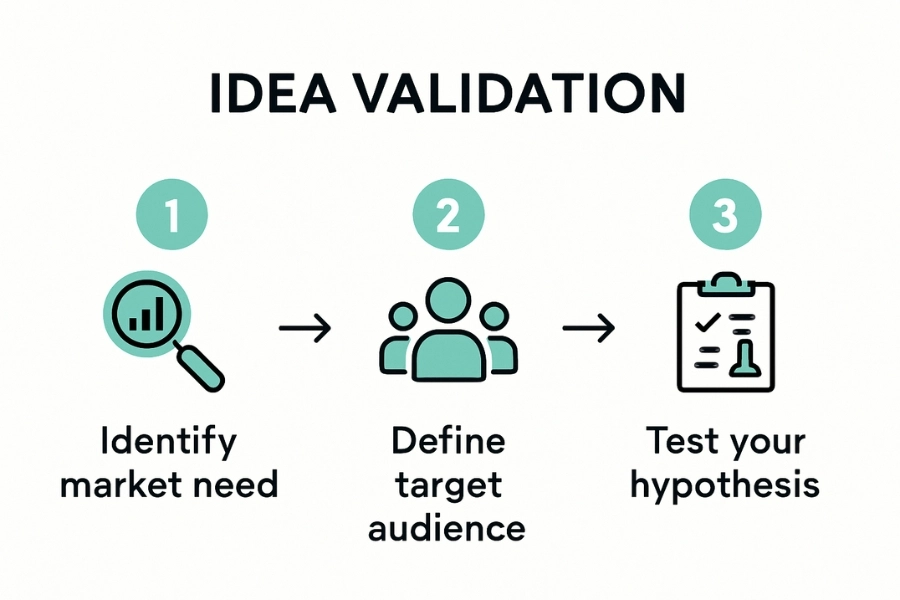
Most creators skip the crucial step of validating audience needs, choosing instead to build in a vacuum and live on hope
3. Trying to Teach Everything Instead of One Clear Outcome
Many creators believe that the more content they include, the more valuable their product becomes.
In reality, the opposite is often true.
When a course or digital product tries to cover too many topics, it becomes difficult for the audience to understand what they will actually gain from it. This lack of clarity makes the offer harder to sell and reduces the likelihood of users completing it.
Effective products are built around a specific outcome, not a collection of information. People are not looking for more content—they are looking for a clear result.
For example, instead of creating a broad course like: “Learn digital marketing”
It is often more effective to focus on something more targeted, such as: “How to get your first 1,000 email subscribers”
A well-defined outcome helps in multiple ways:
- It makes the value of the product immediately clear
- It attracts the right audience
- It improves completion and satisfaction rates
Clarity is what drives conversion. The more specific the outcome, the easier it is for people to say yes.
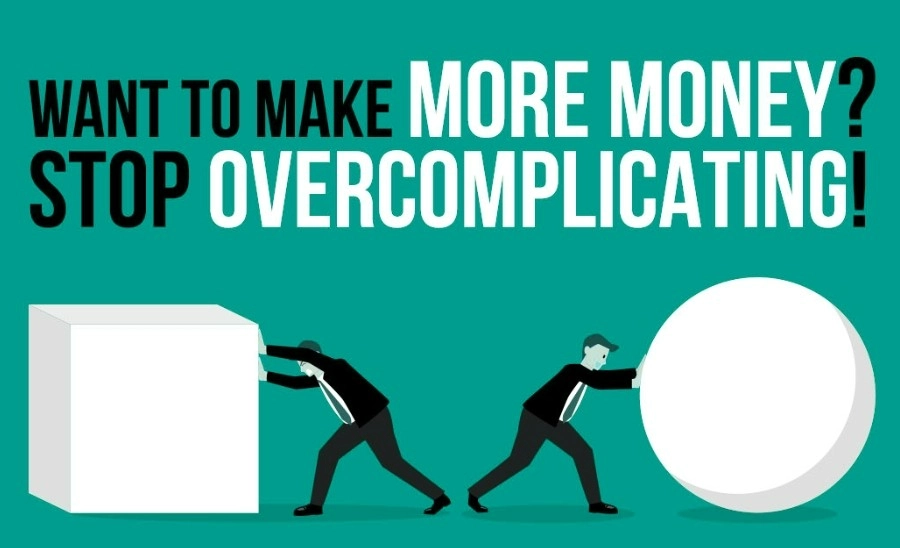
4. Overcomplicating the Product
Another common mistake is assuming that a product needs to be complex to be valuable.
As a result, many creators spend excessive time adding more lessons, more features, and higher production quality than necessary. While this may seem like an effort to increase value, it often leads to delays and unnecessary complexity.
In practice, most audiences don’t need more content—they need clearer guidance.
Overcomplicated products tend to create problems such as:
- Longer time to launch
- Lower completion rates
- Higher cognitive load for learners
- Difficulty in communicating the core value
Simple products, on the other hand, are easier to understand, easier to consume, and often more effective in delivering results.
A focused course that solves one problem clearly is usually more valuable than a large, complex program that tries to do everything.
Instead of asking “What else should I add?”, a better question is: “What is the simplest way to help someone achieve this outcome?”
5. Undervaluing Their Knowledge
Many creators hesitate when it comes to pricing their knowledge. They assume that what they know is “too basic” or “already available for free,” so they either delay creating a product or price it far below its actual value. This often leads to low revenue and, over time, burnout.
The reality is that people don’t pay for information—they pay for clarity, structure, and outcomes.
Even if similar information exists online, most of it is:
- Scattered across different sources
- Lacking a clear learning path
- Difficult to apply in practice
A well-structured product saves time, reduces confusion, and helps people achieve results faster. That alone has real value.
Undervaluing your knowledge also affects how others perceive it. Pricing is not just about revenue—it signals confidence and positioning.
Instead of asking “Is this worth charging for?”, a better approach is to ask: “Does this help someone solve a meaningful problem more effectively?” If the answer is yes, then it has value—and it should be priced accordingly.
6. Relying Too Much on Platforms
Many creators build their entire presence on platforms like social media without thinking about long-term ownership.
While these platforms are powerful for distribution, they are not designed to give creators full control. Algorithms change, reach fluctuates, and accounts can be restricted or lost without warning.
When all your audience lives on a platform you don’t own, your business becomes dependent on factors you cannot control. This creates several risks:
- Sudden drops in reach and engagement
- Limited ability to communicate directly with your audience
- Reduced control over monetization
- Vulnerability to platform policy changes
Successful creators treat platforms as channels, not foundations.
Instead of relying entirely on them, they focus on building direct relationships through assets they own, such as:
- Email lists
- Private communities
- Customer databases
Ownership is what turns content into a sustainable business. Without it, growth can be unpredictable and difficult to maintain.

Most creators rely way too much on platforms, leaving their revenue at the mercy of an algorithm
7. Not Building a Direct Relationship with the Audience
A large audience does not automatically mean a strong relationship.
Many creators focus on broadcasting content but spend very little time actually connecting with their audience. As a result, even if people follow or engage occasionally, there is little trust or loyalty built over time.
Monetization depends heavily on trust. People are far more likely to pay when they feel understood and supported—not just entertained.
Without a direct relationship, creators often face:
- Low engagement beyond surface-level interactions
- Weak conversion when launching products
- Difficulty understanding real audience needs
Building a stronger connection doesn’t require complexity, but it does require intention. This can include:
- Responding to comments and messages
- Asking for feedback and listening actively
- Creating spaces for deeper interaction (email, community, etc.)
When creators move from one-way communication to real interaction, their audience becomes more than just followers—they become participants. And that shift is what makes monetization sustainable.
Read more: How to Start Building a Creator Community That Actually Grows
8. Ignoring Distribution and Marketing
Creating a great product is only part of the equation. Without proper distribution, even the best ideas can go unnoticed.
Many creators assume that once their course or product is ready, people will naturally find it. In reality, content and products rarely sell without intentional promotion.
Marketing is not separate from creation—it is part of the process.
Common gaps in distribution include:
- No clear launch strategy
- Inconsistent content leading up to the release
- Lack of messaging around the problem and outcome
- Not leveraging existing audience channels
Effective creators think about distribution early. They build awareness while creating the product, not after it’s finished.
This can include:
- Sharing insights and behind-the-scenes content
- Educating the audience about the problem
- Gradually introducing the solution
When done right, by the time the product launches, the audience already understands its value.
Without distribution, even valuable products struggle. With the right strategy, the same product can perform significantly better.

Moving from content creator to selling knowledge is the key to escaping the algorithm and building a stable income
Build a personal brand that stands out—and turns your audience into real opportunities. Learn more at: How to Build Your Personal Branding Strategy
Conclusion
Monetizing your knowledge isn’t about working harder or creating more content. It’s about making better decisions—what to build, who it’s for, and how it connects to real demand.
Most creators don’t fail because they lack skill or consistency. They struggle because they approach monetization without a clear system. They guess instead of validate, focus on attention instead of conversion, and treat content as the end goal instead of a means to build a business.
Once you shift your perspective—from creator to problem-solver, from content to outcomes—everything changes. Monetization becomes less about luck and more about structure.
Turn Your Knowledge Into a Validated Product
If you’re serious about monetizing your knowledge, the goal isn’t just to create—it’s to build something people are ready to pay for.
With SprouX, you can validate your ideas, test demand, and launch your knowledge product before investing weeks into building it. Instead of guessing, you work with real signals from your audience.
Don’t just create more content. Start building products that actually convert—with SprouX.