Selling digital products is easier than ever. Whether you’re creating ebooks, templates, courses, memberships, or digital downloads, there are now dozens of pla...
Selling digital products is easier than ever. Whether you’re creating ebooks, templates, courses, memberships, or digital downloads, there are now dozens of platforms that allow creators to start selling online with minimal setup.
But not every platform is built for the same type of creator. Some prioritize simplicity and speed, while others focus on branding, scalability, or built-in audience discovery. Choosing the wrong platform can create unnecessary friction—especially as your business grows.
In this guide, we’ll break down 10 of the best platforms to sell digital products in 2026, including who they’re best for, their biggest strengths, and where they fall short.
What to Look for in a Platform to Sell Digital Products
Before choosing a platform, it’s important to understand that the “best” option depends heavily on what you’re selling and how you plan to grow. A platform that works well for selling a simple ebook may not work as well for courses, memberships, or a larger creator business.
That’s why creators should evaluate platforms based on functionality, ownership, and long-term flexibility—not just popularity.
Here are some of the most important things to consider:
- Transaction fees: Some platforms take a percentage of every sale, while others charge a monthly subscription instead.
- Ease of setup: Beginner-friendly platforms are faster to launch, but may offer less customization later.
- Audience source: Marketplace platforms can help you get discovered, while direct-selling platforms usually require you to bring your own traffic.
- Branding & customization: Some platforms allow full control over your storefront and customer experience, while others keep things more standardized.
- Email marketing & automation: Important if you want to build long-term relationships instead of relying only on one-time sales.
- Scalability: What works for your first product may not support a growing business later on.
One of the biggest distinctions between platforms is whether they function as a marketplace or a direct-selling platform.
Marketplace platforms like Etsy already have built-in traffic, which can help beginners get discovered more easily. The tradeoff is higher competition and less control over branding.
Direct-selling platforms like Shopify or Podia give creators more ownership and flexibility, but they also require you to drive your own audience and traffic.
Understanding this difference early makes it much easier to choose a platform that fits both your current stage and your long-term goals.
7 Platforms to Sell Digital Products
#1. Gumroad
Gumroad is one of the most popular platforms for creators who want to start selling digital products quickly without dealing with complicated setup or technical work.
The platform is designed around simplicity. You can upload a product, create a sales page, and start accepting payments in a relatively short amount of time, which is why Gumroad has become especially popular among indie creators, designers, writers, and solopreneurs.
It supports a wide range of digital products, including ebooks, templates, design assets, digital downloads, and lightweight courses.
One of Gumroad’s biggest advantages is how beginner-friendly it feels. Creators don’t need to build a full website or manage a complex ecommerce system to start selling. Gumroad also handles payments, file delivery, and basic customer management out of the box.
However, that simplicity comes with tradeoffs. Compared to more advanced platforms, Gumroad offers limited customization and branding control. Your storefront and checkout experience are relatively standardized, which can become restrictive as your business grows. Transaction fees can also become expensive at scale compared to platforms with fixed monthly pricing.
Pros
- Extremely easy to set up
- No coding or technical knowledge required
- Supports multiple digital product types
- Built-in payment processing
- Good for validating ideas quickly
Cons
- Limited storefront customization
- Higher fees compared to some alternatives
- Less suitable for advanced funnels or larger businesses
Best For
Gumroad works best for creators who want to:
- launch quickly
- validate demand
- sell simple digital products
- start monetizing without building a full ecommerce business yet
It’s often a strong starting point—but many creators eventually migrate to more customizable platforms as their audience and product ecosystem grow.
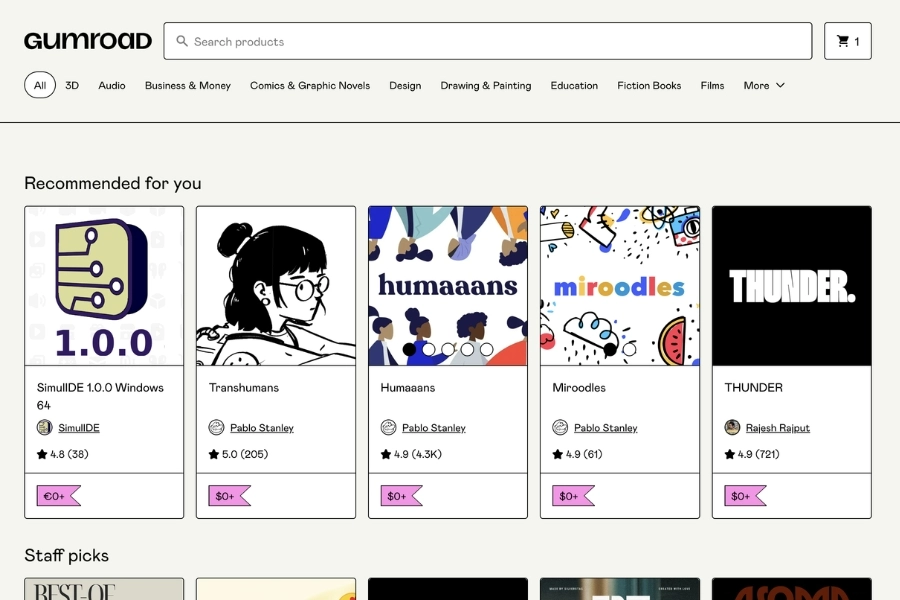
Gumroad is one of the most popular platforms for selling digital products
#2. Payhip
Payhip is often considered one of the closest alternatives to Gumroad, especially for creators who want a simple setup without giving up too much flexibility.
Like Gumroad, Payhip allows creators to sell digital downloads directly to customers without needing a separate ecommerce website. The platform supports ebooks, PDFs, templates, printables, online courses, and memberships.
One of Payhip’s biggest advantages is that it includes features many beginner creators usually overlook—particularly VAT handling for EU customers. For creators selling internationally, this removes a major operational headache that would otherwise require additional tools or manual setup.
Compared to Gumroad, Payhip also gives creators slightly more storefront customization while still keeping the platform relatively easy to use.
That said, Payhip is still designed primarily for simplicity. While it works well for smaller creator businesses, it may feel limiting for creators who eventually want more advanced automation, branding, or sales funnel functionality.
Pros
- Beginner-friendly setup
- Supports multiple digital product formats
- Built-in EU VAT handling
- More affordable entry point for smaller creators
- Includes memberships and course functionality
Cons
- Limited advanced customization
- Fewer integrations compared to larger e-commerce platforms
- Not ideal for highly complex creator businesses
Best For
Payhip is a strong choice for creators who want:
- a lightweight e-commerce setup
- a simpler alternative to Shopify
- an easy way to start selling digital downloads
- minimal technical complexity
For many beginner creators, it strikes a practical balance between simplicity, affordability, and functionality.
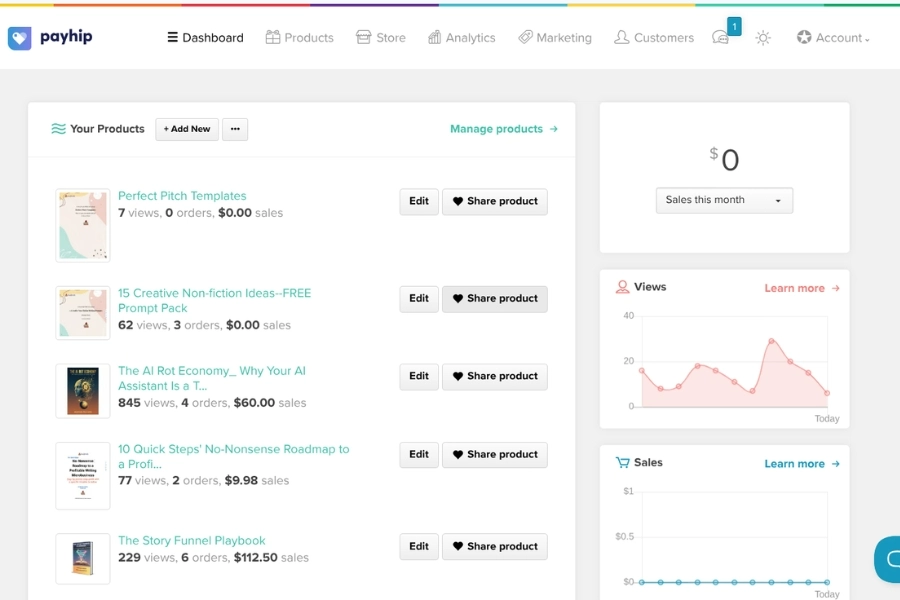
Dashboard of Payhip
#3. Shopify — Best for Building a Long-Term Brand
Shopify is one of the most powerful platforms to sell digital products for creators who want more control over branding, customization, and long-term business growth.
Unlike beginner-focused platforms such as Gumroad or Payhip, Shopify is designed for creators building a more scalable digital business. Instead of relying on a marketplace ecosystem, creators fully own their storefront, customer experience, and marketing stack.
Shopify supports a wide range of digital products, including ebooks, templates, memberships, subscriptions, courses, and digital downloads.
One of Shopify’s biggest strengths is flexibility. Through its large app ecosystem, creators can add advanced functionality like:
- email marketing automation
- upsells and funnels
- affiliate systems
- subscriptions
- analytics and customer tracking
This makes Shopify one of the most scalable platforms to sell digital products, especially for creators planning to expand beyond a single product.
However, Shopify also has a steeper learning curve than simpler creator platforms. Setup usually requires more configuration, more integrations, and more ongoing management. It’s also important to understand that Shopify does not provide built-in marketplace traffic—you are responsible for bringing your own audience through SEO, social media, email marketing, or paid ads.
Pros
- Full branding and customization control
- Highly scalable for long-term growth
- Large ecosystem of apps and integrations
- Strong e-commerce infrastructure
- Supports multiple digital product types
Cons
- Higher monthly costs compared to simpler platforms
- More setup and maintenance required
- Can feel overwhelming for beginners
- No built-in audience discovery
Best For
Shopify works best for creators who:
- already have an audience
- want full ownership over their brand
- plan to scale long term
- need advanced e-commerce and marketing functionality
For creators building a serious digital business instead of simply selling a few downloads, Shopify is often one of the strongest long-term platforms to sell digital products available today.
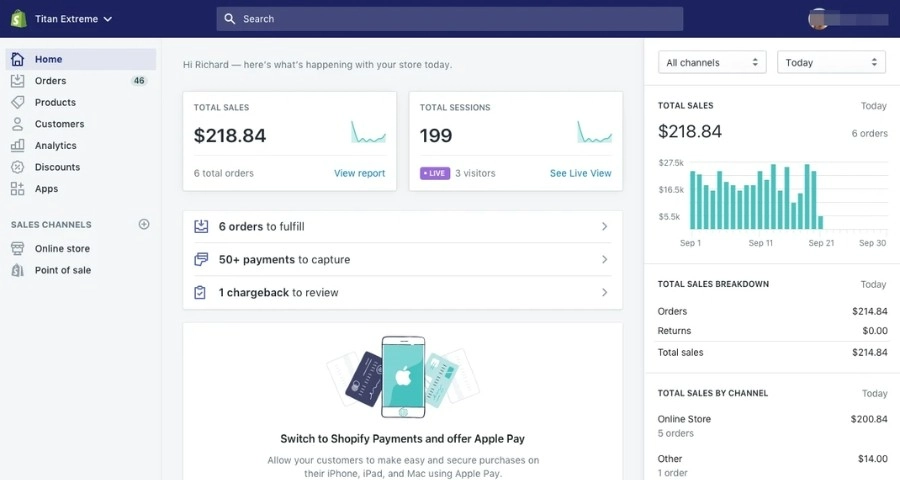
Shopify helps creators fully own their storefront, customer experience, and marketing stack
#4. Etsy — Best for Built-In Marketplace Traffic
Etsy is one of the most popular marketplace-style platforms to sell digital products, particularly for creators who want access to existing buyer traffic instead of building an audience entirely from scratch.
Unlike direct-selling platforms where creators are responsible for generating their own traffic, Etsy already has millions of users actively searching for products. This built-in discovery system makes it especially attractive for beginners who want visibility without relying heavily on SEO, email marketing, or paid ads.
Etsy performs especially well for:
- Canva templates
- digital planners
- printables
- digital art
- social media templates
- wedding and event assets
One of Etsy’s biggest strengths is organic discovery. Buyers often find products directly through Etsy search, recommendations, or category browsing, which means creators can generate sales even without a large social following.
However, marketplace exposure comes with tradeoffs. Competition on Etsy is extremely high in many digital product categories, especially lower-barrier niches like templates and printables. Creators also have limited control over branding and customer relationships compared to standalone ecommerce platforms. In many cases, buyers remember Etsy more than the creator selling the product.
There’s also platform dependency to consider. Since traffic comes primarily from Etsy’s ecosystem, changes to Etsy’s search algorithm or marketplace policies can directly impact visibility and sales.
Pros
- Built-in marketplace traffic
- Strong organic discovery through Etsy search
- Beginner-friendly setup
- Large audience already searching for digital products
- Works well for highly searchable products
Cons
- High competition in popular niches
- Limited branding and customization
- Marketplace and listing fees
- Less ownership over customer relationships
Best For
Etsy works best for creators who:
- are starting without an audience
- sell searchable digital products
- want marketplace-driven traffic
- prioritize discoverability over full brand ownership
For many creators, Etsy is one of the easiest platforms to sell digital products early on. However, as businesses grow, many creators eventually move toward platforms that provide greater control over branding, audience ownership, and long-term scalability.
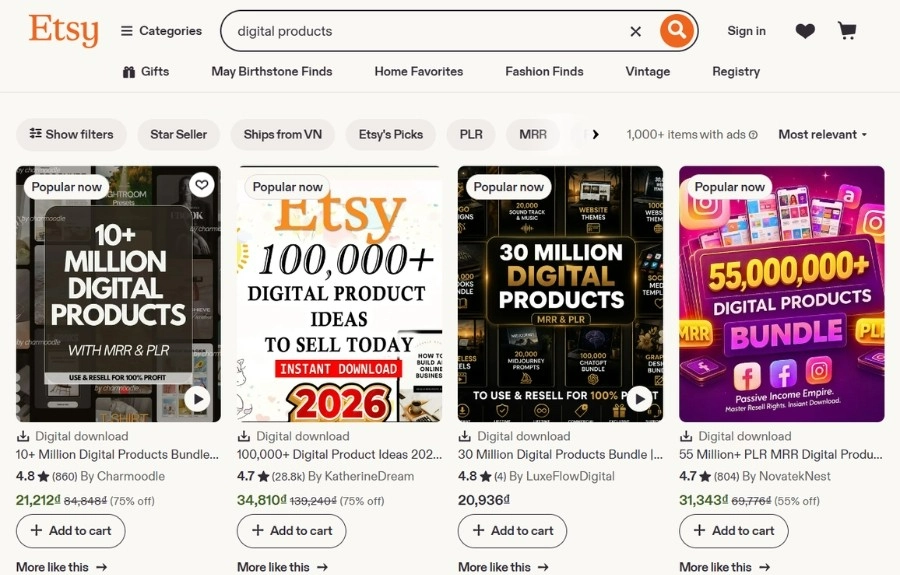
Customers can find products directly through the Etsy search
#5. Podia — Best for Courses and Memberships
Podia is a creator-focused platform designed for selling digital products, online courses, memberships, and coaching services from a single place.
Unlike marketplace platforms, Podia focuses on helping creators build a direct relationship with their audience while keeping the setup process relatively simple. It combines ecommerce, course hosting, email marketing, and memberships into one platform, which is one reason it has become popular among educators, coaches, and knowledge creators.
Creators can use Podia to sell:
- online courses
- digital downloads
- memberships
- webinars
- coaching sessions
- bundled digital products
One of Podia’s biggest advantages is convenience. Instead of connecting multiple third-party tools for email marketing, product delivery, and memberships, creators can manage everything within a single ecosystem.
Compared to platforms like Shopify, Podia is also much easier to set up and maintain. However, that simplicity comes with less flexibility and fewer advanced customization options.
Podia is not designed for highly complex ecommerce operations or deeply customized storefronts. Its strengths lie more in usability, simplicity, and creator-focused functionality.
Pros
- All-in-one platform for digital products and memberships
- Beginner-friendly setup
- Built-in email marketing tools
- Supports courses, downloads, and communities
- No need for multiple external tools
Cons
- Less customizable than Shopify
- Limited advanced ecommerce functionality
- Fewer integrations compared to larger platforms
- Design flexibility can feel restrictive for some creators
- Best For
Podia works best for creators who:
- sell courses or memberships
- want an all-in-one creator platform
- prefer simplicity over technical complexity
- want to manage products and audience in one place
For knowledge creators looking for a streamlined way to sell digital products without managing a complicated tech stack, Podia remains one of the most practical platforms available.
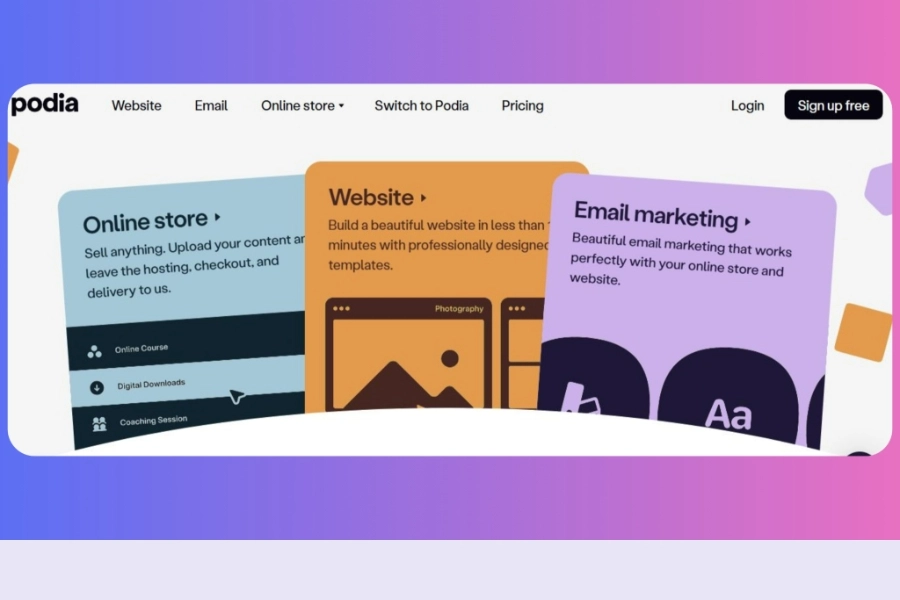
Podia focuses on helping creators build a direct relationship with their audience through an online store, website, and emails
#6. Kajabi — Best Premium Platform for Knowledge Businesses
Kajabi is an all-in-one platform built primarily for creators selling knowledge-based products such as online courses, coaching programs, memberships, and digital education businesses.
Compared to simpler platforms to sell digital products, Kajabi positions itself as a more premium solution focused on business growth, automation, and audience management rather than just product delivery.
Creators can use Kajabi to manage online courses, memberships, coaching programs, email marketing, landing pages,, sales funnels, and communities.
One of Kajabi’s biggest strengths is how integrated the ecosystem feels. Instead of connecting multiple external tools for courses, email automation, checkout pages, and funnels, creators can run most of their business inside a single platform.
This makes Kajabi particularly attractive for established knowledge creators who want a more centralized system for scaling their business.
However, Kajabi is also one of the more expensive platforms to sell digital products. For smaller creators or beginners, the pricing can feel difficult to justify early on—especially if they do not yet need advanced automation or funnel features.
It’s also worth noting that while Kajabi is powerful, it is optimized more for education-style businesses than general ecommerce.
Pros
- All-in-one platform for knowledge businesses
- Strong email marketing and automation features
- Built-in sales funnels and landing pages
- Supports courses, memberships, and communities
- Reduces reliance on multiple external tools
Cons
- Higher pricing compared to many alternatives
- Can feel excessive for beginners
- Less suitable for general ecommerce products
- Limited design flexibility compared to fully custom platforms
Best For
Kajabi works best for creators who:
- sell courses or coaching programs
- already have an audience or revenue stream
- want advanced automation and funnel functionality
- are building a long-term knowledge business
For creators focused on education, coaching, or premium digital products, Kajabi remains one of the most established all-in-one platforms available today.
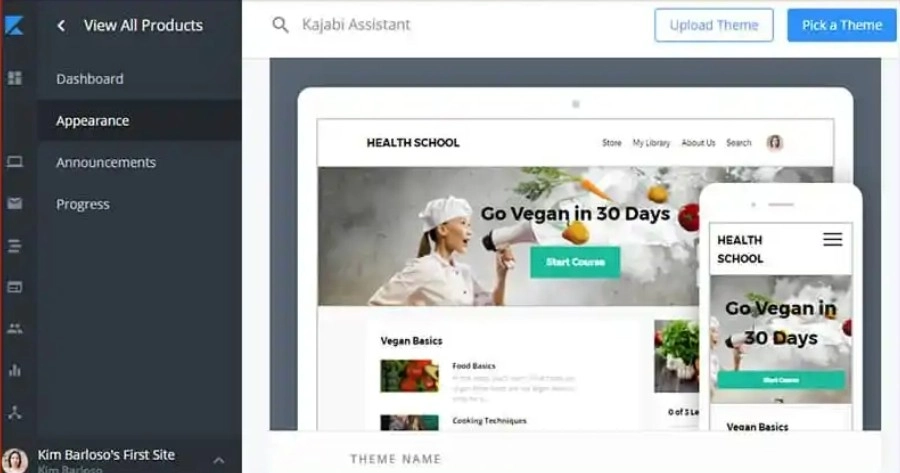
Creators can use Kajabi to manage online courses, memberships, coaching programs,...
#7. Teachable — Best for Selling Online Courses
Teachable is one of the most recognized platforms for creators focused specifically on online education. Unlike broader ecommerce platforms, Teachable is built primarily around course creation, student management, and digital learning experiences.
Creators can use Teachable to sell online courses, workshops, coaching products, digital downloads, memberships and subscriptions
One of Teachable’s biggest strengths is its course-focused infrastructure. The platform handles hosting, student access, payments, and lesson organization, making it relatively straightforward for creators to launch educational products without technical complexity.
Compared to platforms like Shopify, Teachable is much more specialized. It prioritizes the learning experience over storefront customization or broader ecommerce functionality.
Teachable also includes features such as:
- quizzes and certificates
- drip course content
- affiliate programs
- student progress tracking
- integrated payment processing
This makes it particularly useful for educators and creators who want a structured environment for delivering educational content.
However, Teachable is less flexible outside the online learning space. Creators looking to build highly customized storefronts, complex ecommerce funnels, or broader digital businesses may eventually outgrow the platform.
Pros
- Built specifically for online courses
- Beginner-friendly course setup
- Built-in student management tools
- Handles hosting and payments
- Supports memberships and coaching products
Cons
- Less flexible for general e-commerce
- Limited storefront customization
- Advanced features may require higher-tier plans
- Less suitable for creators selling many non-educational products
Best For
Teachable works best for creators who:
- primarily sell online courses
- want a structured learning platform
- prioritize student experience and simplicity
- do not need advanced e-commerce customization
For creators focused heavily on education, Teachable remains one of the most reliable and accessible platforms to sell digital products in the online learning space.
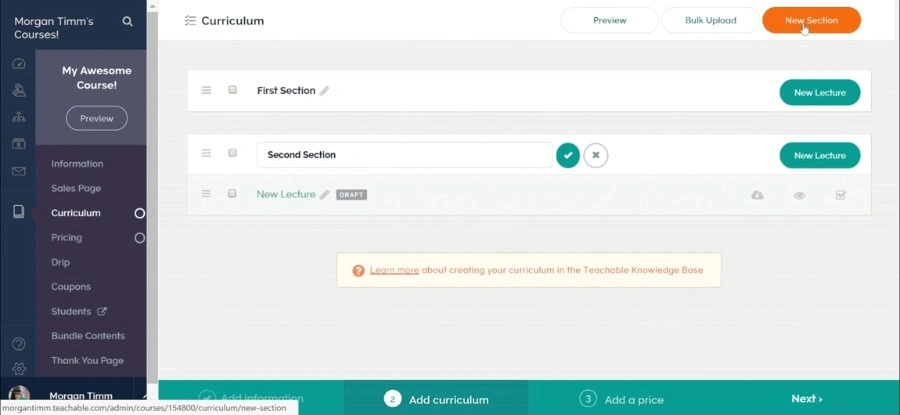
Teachable is built primarily around course creation, student management, and online learning experiences
Which Platform Is Right for You?
After exploring different platforms to sell digital products, one thing becomes clear: there is no universal “best” option for every creator.
The right platform depends heavily on what you sell, how you attract customers, and how you plan to grow over time. A creator selling printable templates on Etsy has very different needs from someone building a course-based business through Kajabi or Podia.
Marketplace Platforms vs Direct-Selling Platforms
One of the biggest decisions creators need to make early on is whether they want to rely on marketplace traffic or build a more independent business.
Marketplace platforms like Etsy are useful because they already have built-in discovery. Customers are actively searching for products, which makes them attractive for creators who do not yet have an audience. The downside is that competition is much higher, branding is limited, and creators become more dependent on the platform’s ecosystem and algorithm.
Direct-selling platforms such as Shopify, Podia, or Kajabi work differently. Instead of relying on marketplace discovery, these platforms give creators more ownership over their storefront, customer experience, and long-term growth strategy. In exchange, creators are responsible for generating their own traffic through content, SEO, email marketing, or social media.
Simplicity vs Scalability
For beginners, simplicity is often more important than advanced functionality.
Platforms like Gumroad or Payhip make it easy to launch quickly without dealing with technical complexity. At an early stage, validating demand and learning how to sell usually matter more than building a sophisticated ecommerce system.
As creators grow, however, scalability becomes more important. More advanced platforms provide greater flexibility for automation, branding, memberships, and long-term customer relationships. While they require more setup and management, they also offer more control over how the business evolves.
The Platform Supports the Business — It Doesn’t Create Demand
One of the biggest misconceptions creators have is assuming the platform itself will drive sales.
Even the best platforms to sell digital products cannot replace distribution, audience trust, or strong positioning. The platform helps deliver and manage the business, but creators still need to generate attention and demand themselves.
Choosing the right platforms to sell digital products matters—but building something people actually want matters even more.
SprouX