Having an audience does not always mean your product idea will sell.
Many creators get excited when a post receives strong engagement or when followers say they are “interested.” But likes, comments, and casual replies are not the same as real buying intent. Your audience may enjoy your free content without being ready to pay for a course, template, workshop, or digital product.
That is why testing product ideas before building is so important.
Instead of spending weeks creating something based on assumptions, you can use your existing audience to collect early signals, understand real pain points, and see whether people are willing to take action.
In this guide, you will learn how to test product ideas with your audience using content, surveys, direct conversations, waitlists, and simple paid validation methods.
Why Testing Product Ideas With Your Audience Matters
Creators often build products based on what they think their audience wants. Sometimes, the idea comes from a popular post. Sometimes, it comes from competitor research. Other times, it simply feels like the “next logical step.”
But a product idea only becomes stronger when it is backed by real audience signals.
Testing helps you understand whether your audience has a problem that is specific, urgent, and valuable enough to solve. It also helps you choose the right product format, whether that is a template, course, live workshop, coaching program, or digital resource.
The goal is not to remove all risk. The goal is to avoid building in the dark.
Before you commit to creating the full product, audience testing can help you answer a few important questions:
- Does my audience actually care about this problem?
- Are they already trying to solve it?
- What outcome do they want most?
- Would they join a waitlist, sign up, or pay for an early version?
- Is this idea worth building now?
When you test first, you make better product decisions. Instead of guessing what to create, you start building from evidence.

Testing ideas helps you choose the right product to build
What Counts as a Real Audience Signal?
Not all audience reactions have the same value.
A like, comment, or poll vote can show that people are interested in a topic, but it does not always mean they are ready to pay for a product. To test product ideas properly, you need to understand the difference between weak, medium, and strong signals.
Weak signals
Weak signals show attention, but not necessarily buying intent.
Examples include:
- likes
- views
- saves
- simple poll votes
- comments like “love this”
- followers saying “I need this” without taking further action
These signals are still useful. They can help you identify topics your audience cares about. However, they should not be the only reason you decide to build a full product.
For example, a post about productivity may get thousands of likes because the topic is relatable. But that does not automatically mean your audience will pay for a productivity course.
Medium signals
Medium signals show deeper interest.
Examples include:
- detailed survey responses
- direct messages about the problem
- replies to your email or newsletter
- clicks on a product idea page
- waitlist sign-ups
- questions about price, format, or launch date
These signals are more valuable because they require more effort from your audience. Someone who takes time to answer a survey, reply to a DM, or join a waitlist is showing more than casual interest.
At this stage, you can start learning what your audience actually wants, what they are struggling with, and what kind of solution feels useful to them.
Strong signals
Strong signals show real commitment.
Examples include:
- pre-orders
- paid beta sign-ups
- deposits
- workshop registrations
- booked calls
- early access purchases
These are the strongest signs that your product idea has real demand because people are willing to commit time, money, or both.
This does not mean every product idea needs a full pre-sale before you build it. But if you can get even a small group of people to pay for an early version, you will have much more confidence than if you only rely on likes or comments.
The key is to move from weak signals to stronger signals over time.
Start by testing whether people care about the topic. Then test whether they feel the problem deeply. Finally, test whether they are willing to take action for a solution.

How to Test Product Ideas With Your Audience
Testing a product idea works best when you move step by step. You do not need to build the full product right away. Instead, start with a clear assumption, test whether the problem is real, then look for stronger signals from your audience.
The process below will help you move from a rough idea to a clearer decision about whether to build, refine, or drop the product.
Step 1: Start With a Clear Product Hypothesis
Before you test a product idea with your audience, you need to make the idea specific.
A vague idea like “I want to create a course about productivity” is too broad to test. Your audience may like the topic, but you still do not know who the product is for, what problem it solves, or why someone would pay for it.
A better approach is to turn the idea into a clear product hypothesis.
Use this simple format:
For [specific audience], I want to create [product idea] that helps them achieve [desired outcome] by solving [specific problem].
For example:
For freelance designers, I want to create a pricing template that helps them quote projects faster by solving the problem of unclear scope and undercharging.
This is much easier to test because it gives your audience something specific to react to.
A strong product hypothesis should include:
- who the product is for
- what problem it solves
- what outcome it promises
- what format it might take
- why the problem matters now
You do not need to get everything perfect at this stage. The goal is to create a clear starting point so your audience can respond to the actual idea, not a vague topic.
Once your hypothesis is clear, you can test whether the problem is real, whether the audience cares about it, and whether the solution feels valuable enough to explore further.
Step 2: Test the Problem Before Testing the Product
Before asking your audience if they want your product, first find out whether the problem is real.
Many creators skip this step. They go straight to questions like “Would you buy this?” or “Should I make this?” But those questions often lead to vague, overly positive answers. People may say yes because the idea sounds nice, not because they truly need it.
A better approach is to test the pain first.
You want to understand whether your audience is already struggling with the problem your product is supposed to solve. If the problem is weak, unclear, or not urgent, the product will be harder to sell.
Start with questions like:
- What is the hardest part about [specific goal] right now?
- What have you already tried to solve this?
- What makes this problem frustrating?
- How much time or money does this problem cost you?
- What would make this easier for you?
- Have you paid for anything to solve this before?
These questions help you find real demand behind the idea. They also help you understand the exact language your audience uses to describe the problem.
For example, instead of asking:
“Would you buy a course about launching a digital product?”
Ask:
“What is the hardest part about turning your content or expertise into a product people would actually buy?”
The second question gives you much better insight. It can reveal whether your audience struggles with choosing the right idea, building the product, pricing it, creating a sales page, or getting the first buyers.
Once you understand the problem clearly, you can shape a product that feels more relevant, specific, and valuable.
Step 3: Use Content to Test Topic Demand
Once you understand the problem, use content to test whether your audience actively responds to the topic.
This is one of the easiest ways to test a product idea because you do not need to build anything yet. You can simply publish small pieces of content around the problem, the desired outcome, or the method you might later turn into a product.
For example, you can test the idea through:
- a short educational post
- a carousel or thread
- a newsletter section
- a short video
- a live session
- a free checklist or mini template
The goal is not just to get views. The goal is to see whether the right people respond with meaningful signals.
Pay attention to metrics like:
- saves
- shares
- comments with specific questions
- direct messages
- link clicks
- email replies
- requests for a template, guide, or deeper explanation
For example, if you are thinking about creating a digital product launch planner, you could publish a post like:
“Most creators do not need more product ideas. They need a way to decide which idea is worth building first.”
If that post gets strong saves, thoughtful comments, and DMs from creators asking how to choose the right idea, you have a stronger signal that the topic matters.
You can also test different angles of the same idea. One post might focus on choosing the right idea. Another might focus on validating demand. Another might focus on building the first version quickly.
This helps you see which part of the problem creates the strongest response before you turn it into a product.
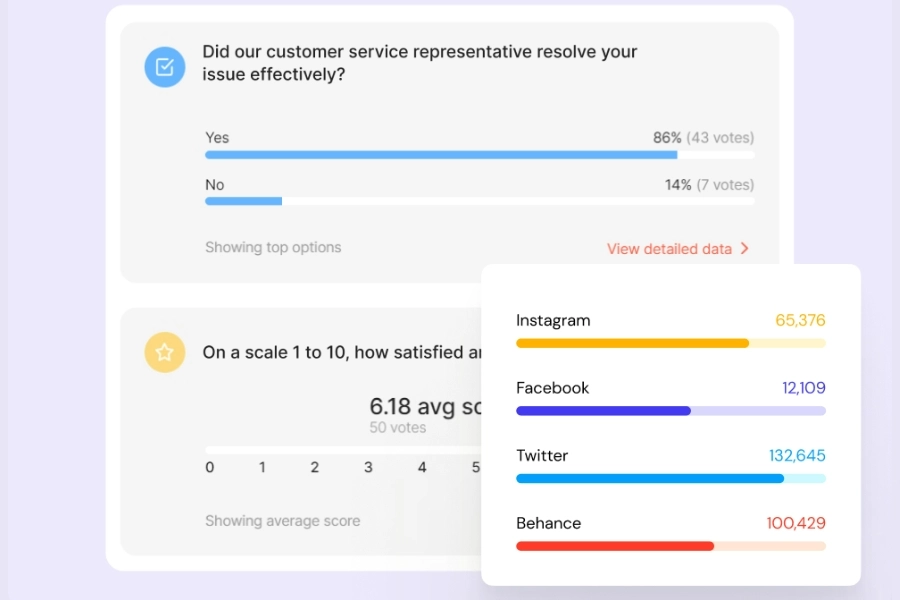
Step 4: Run a Simple Audience Survey
After testing the topic through content, use a short survey to understand the problem more clearly.
A good audience survey should not be too long. If you ask too many questions, people may drop off or give rushed answers. Aim for 5 to 7 focused questions that help you understand your audience’s pain, current behavior, and preferred solution.
Instead of asking only:
“Would you buy this?”
Ask questions that reveal how serious the problem is:
- What is your biggest challenge with [topic] right now?
- How are you currently solving this problem?
- What have you already tried?
- What makes this problem hard or frustrating?
- What would an ideal solution help you do?
- How painful is this problem from 1 to 5?
- Would you prefer a template, course, workshop, coaching, or tool?
These questions give you more useful insight than simple yes-or-no answers.
For example, if you want to create a product that helps creators validate digital product ideas, your survey could ask:
“What is the hardest part about knowing whether your audience would actually pay for your product idea?”
The answers may show you whether people struggle with choosing the right idea, asking the right questions, reading audience signals, building a waitlist, or getting early buyers.
That information can help you shape the product around a real problem instead of guessing what your audience needs.
A survey can also help you understand the words your audience uses. This is useful later when you write your sales page, emails, social posts, or product promise. The more your messaging reflects your audience’s actual language, the easier it becomes for them to recognize that the product is made for them.
Step 5: Talk to Your Warmest Audience Members
Surveys are useful, but direct conversations can reveal insights you may not get from forms.
Start with people who already show interest in your content. This could include followers who often comment, reply to your emails, send DMs, join your live sessions, or ask questions about the topic.
You do not need to interview dozens of people. Even 5 to 10 short conversations can help you spot patterns.
You can send a simple message like:
“Hey, I’m exploring a resource around [topic] for creators who struggle with [problem]. Since you’ve mentioned this before, could I ask you 2 quick questions?”
Then ask questions such as:
- What is the hardest part of this for you?
- What have you already tried?
- What would make a solution actually useful?
- What would make you ignore it?
- What would feel worth paying for?
The goal is not to convince them to buy. The goal is to understand how they think, what they need, and what objections might stop them from taking action.
For example, someone may like your idea but say they would not buy a long course because they do not have time. That could be a signal to test a shorter workshop, template, checklist, or guided challenge instead.
These conversations help you turn a broad product idea into a sharper offer that matches how your audience actually wants to solve the problem.
Step 6: Build a Waitlist or Interest Page