Podcasting has grown fast over the past few years. More creators are launching shows, audiences are getting more comfortable with long-form audio, and podcasts are becoming a serious channel for building trust. Naturally, one question keeps coming up: how do podcasts make money?
The short answer is that podcasts don’t need massive audiences to be profitable. While some shows rely on advertising, many successful podcasts make money through memberships, products, services, and brand partnerships. In this guide, we’ll break down the real ways podcasts generate revenue and what actually works at different stages of growth.
How Do Podcasts Make Money?
Podcasts make money through a mix of advertising, listener support, and creator-owned revenue streams. There isn’t a single model that works for every show. The right approach depends on your audience size, niche, and how much trust you’ve built with listeners.
Most podcasts earn money in one or more of these ways:
- Sponsorships and podcast ads
- Listener-supported funding, like memberships or donations
- Selling products or services
- Affiliate marketing
- Brand partnerships and collaborations
- Live events and paid experiences
Some podcasts focus heavily on ads, while others avoid advertising entirely and monetize through products or subscriptions instead. What matters most isn’t download numbers alone, but how engaged your listeners are and how well your monetization strategy fits your content.
In the sections below, we’ll break down each of these revenue streams, explain how they work, and help you understand when each one makes sense for your podcast.
Sponsorships and Podcast Advertising
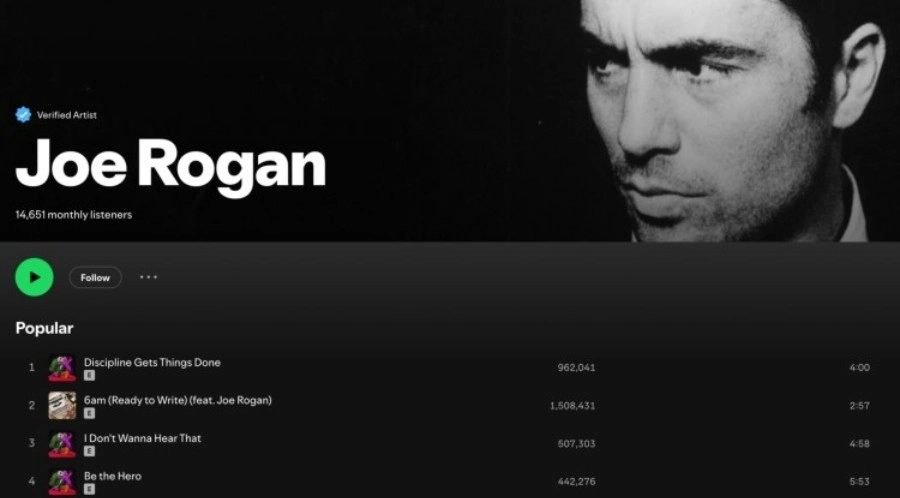
Advertising is often the first thing people think of when asking how podcasts make money. While it’s a popular option, it’s not always the best or earliest way to monetize. Still, for many podcasts, sponsorships can become a solid revenue stream once the audience is established.
Host-Read Ads
Host-read ads are ads read directly by the podcast host during the episode. This format works well because listeners already trust the host, so the ad feels more natural and personal.
Most host-read ads are priced using CPM (cost per thousand downloads). For example, if a podcast charges a $20 CPM and an episode gets 10,000 downloads, that ad placement would earn around $200.
Advertisers prefer host-read ads because:
- They sound more authentic
- They blend naturally into the episode
- They usually convert better than pre-recorded ads
Podcasts typically start attracting host-read sponsorships once they consistently reach a few thousand downloads per episode, especially in a clear niche.
Programmatic Ads
Programmatic ads are automatically inserted into podcast episodes through ad networks. These ads are usually placed at the beginning, middle, or end of an episode and aren’t read by the host.
The main advantage of programmatc ads is scale. Once enabled, ads can run across your entire back catalog without extra effort. However, the trade-off is lower control and lower payouts compared to host-read ads.
Programmatic ads tend to:
- Pay lower CPMs
- Feel less personal to listeners
- Work better for larger podcasts with high download volume
For smaller or niche podcasts, programmatic ads often generate limited revenue and are best used as a supplemental income stream rather than the main strategy.

Listener-Supported Revenue
Not every podcast needs ads to make money. In fact, many of the most profitable and independent podcasts earn directly from their listeners instead of brands.
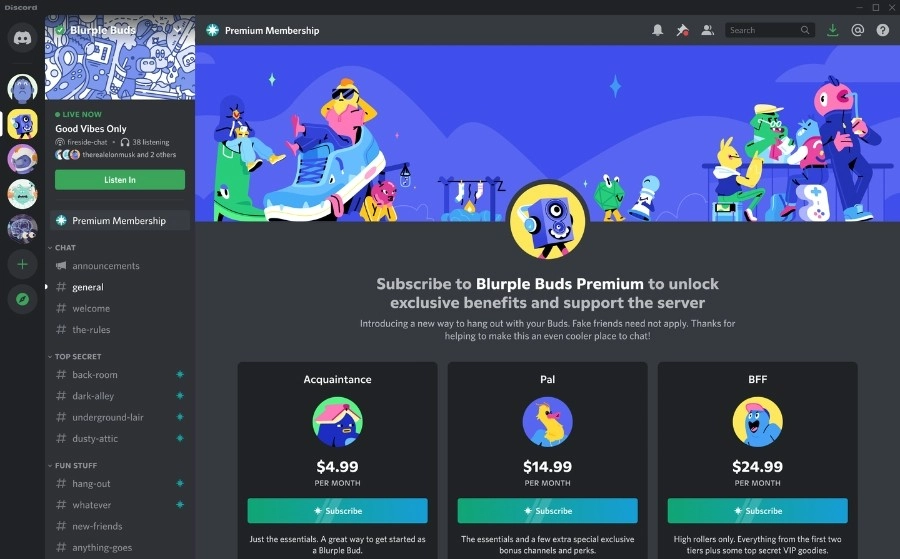
Paid Memberships and Subscriptions
This model lets listeners pay a monthly or yearly fee to support the podcast in exchange for extra value.
Common perks include:
- Bonus episodes or ad-free versions
- Early access to new episodes
- Private communities (Discord, Slack, Circle, etc.)
- Behind-the-scenes content or Q&A sessions
Platforms like Patreon, Apple Podcasts Subscriptions, and Spotify Subscriptions make this easy to set up.
The big advantage here is predictability. Instead of chasing sponsors every month, you build recurring revenue. Even a small podcast can earn meaningful income if a loyal percentage of listeners converts to paid members.
A rough benchmark:
If 1–5% of your audience becomes paid supporters, you’re doing very well.
One-Time Donations and Tips
Some podcasts monetize through voluntary contributions rather than subscriptions.
This usually looks like:
- “Buy me a coffee” links
- One-time tips via Stripe or PayPal
- Occasional fundraising drives
This model works best when the podcast provides strong educational value or serves a niche community that genuinely wants to support the work.
The downside is inconsistency. Donations can spike during campaigns but are hard to rely on as steady income.
Premium or Exclusive Podcast Feeds
Instead of bonus content scattered across platforms, some creators offer a completely separate premium feed.
This might include:
- Deep-dive episodes
- Expert interviews
- Advanced or uncensored content
Listeners pay for access to this feed, often through private RSS links. This approach works well for business, finance, and professional podcasts where depth is more valuable than frequency.
Selling Your Own Products and Services
One of the most powerful answers to how do podcasts make money is simple: they sell what they own.
Instead of renting attention to advertisers, podcasts can use trust and authority to drive revenue into products and services they fully control.
Digital Products
Digital products are a natural fit for podcasts because listeners are already in “learning mode.”
Popular options include:
- Ebooks and guides
- Templates, frameworks, and toolkits
- Online courses or workshops
- Private databases or resources
These products work especially well when they directly solve a problem discussed on the podcast. An episode sparks awareness, and the product provides the solution.
The upside:
- High margins
- No inventory
- Can scale without extra time
For many creators, digital products become the first meaningful income stream before ads ever do.
Coaching, Consulting, and Services
Podcasts are incredibly effective for selling high-trust, high-ticket offers.
Listeners spend hours with your voice. By the time they reach out, they already understand your thinking and often see you as an authority.
Common offers include:
- 1-on-1 coaching
- Group coaching programs
- Consulting or done-for-you services
- Strategy sessions or audits
You don’t need a massive reach for this to work. A podcast with a small but targeted audience can consistently generate premium clients.
Courses and Programs Built From Episodes
Many successful courses start as podcast episodes.
When you notice the same topics performing well—or listeners asking the same follow-up questions—that’s a signal. You can package those insights into a structured program with clearer outcomes.
This approach reduces risk because:
- The content is already validated
- You know what resonates
- The audience already trusts you
Affiliate Marketing and Strategic Partnerships
Affiliate marketing is one of the easiest ways for podcasts to start making money—especially before they’re big enough for sponsorships.
Instead of getting paid just for exposure, you earn a commission when listeners take action.
Affiliate Links and Promo Codes
This model is simple: you recommend a product or service, and if someone buys through your link or code, you get paid.
Common affiliate categories include:
- Software tools
- Online platforms and subscriptions
- Courses, books, or educational products
- Physical products relevant to the niche
Because podcasts are built on trust, affiliate promotions often convert well—if the recommendation feels genuine.
Best practices:
- Only promote things you actually use or believe in
- Explain why you use the product, not just what it does
- Mention the product naturally within the episode topic
A few strong affiliate relationships can quietly outperform ads over time.
Long-Term Brand Partnerships
Some podcasts go beyond one-off affiliate links and form deeper partnerships with brands.
This might look like:
- Monthly affiliate retainers
- Revenue-share agreements
- Co-branded content or special episodes
These partnerships work best when the brand aligns closely with the podcast’s audience. Instead of “selling ads,” the podcast becomes a distribution channel the brand genuinely values.
Bundled Affiliate Offers
More advanced podcasters bundle affiliate offers with their own content.
For example:
- “Use my template + this tool together”
- “Follow this system using the exact software I recommend”
This increases perceived value and gives listeners a clearer path to results—while increasing affiliate revenue at the same time.
Indirect Monetization and Brand Leverage
Not all podcast income shows up as a direct transaction. In many cases, the podcast itself is the engine that unlocks much bigger opportunities.
Building a Personal or Company Brand
A podcast can dramatically increase visibility, credibility, and trust.
Even if the podcast doesn’t make money directly, it can:
- Shorten sales cycles for your offers
- Increase conversion rates across all channels
- Position you as a go-to voice in your niche
For founders, consultants, and creators, the podcast becomes a long-term brand asset—not just a content channel.
Speaking Gigs and Media Opportunities
Podcasts act as living proof of your expertise.
Many podcasters land:
- Paid speaking engagements
- Panel invitations and conferences
- Guest appearances on larger shows
- Media features and press opportunities
Event organizers and media outlets often discover speakers through podcasts because they can hear how you think, teach, and communicate.
Job Offers, Clients, and Partnerships
Some podcasts generate revenue indirectly by opening doors rather than selling products.
This can include:
- High-paying job offers
- Advisory roles
- Equity-based partnerships
- Long-term consulting relationships
In these cases, the podcast isn’t the product—it’s the credibility layer that makes everything else possible.
How Much Do Podcasts Actually Make?
This is the part most people want to know—but the answer isn’t simple.
Podcast income varies wildly, and most shows don’t make money the way people expect.
Typical Podcast Income Ranges
Here’s a rough breakdown of what podcasters earn at different stages:
-
0–1,000 downloads per episode
Usually $0–$200/month. Monetization comes from small digital products, affiliates, or services. -
1,000–10,000 downloads per episode
$200–$2,000/month is common. Sponsorships become possible, but listener support and products often outperform ads. -
10,000–50,000+ downloads per episode
$2,000–$20,000+/month. Ads, brand deals, memberships, and products all start stacking.
These numbers aren’t guarantees—they’re averages. A niche podcast with a strong offer can outperform a general podcast with 10x the audience.
What Actually Determines Podcast Revenue
Audience size matters, but it’s not the biggest factor.
Revenue is usually driven by:
- How specific the niche is
- How much trust the host has built
- Whether there’s a clear problem being solved
- How well the offer matches the audience
That’s why many small podcasts make more money than bigger ones—they monetize intentionally instead of waiting for ads.
The Real Answer to “How Do Podcasts Make Money?”
Podcasts don’t make money just by existing.
They make money when:
- Attention is turned into trust
- Trust is turned into value
- Value is turned into an offer
Ads are optional. Audience ownership is not.
Turn Your Podcast Ideas Into a Real Monetization Plan with SprouX
Most podcasts don’t fail because of lack of talent.
They fail because creators don’t know what to sell, who to sell to, or how to package it.
If you’re thinking about monetizing your podcast beyond ads, SprouX helps you start from the right place.
With Phase A: Idea Refinement, SprouX walks you through 7 simple questions to:
- Clarify what your audience actually wants
- Turn podcast topics into sellable product ideas
- Define a clear concept before you build anything
- Avoid wasting time on products nobody buys
No funnels. No tech setup. No guesswork.
👉 Answer 7 questions. Get a clear monetization concept. Try SprouX Idea Refinement for free and see what your podcast could actually sell.